
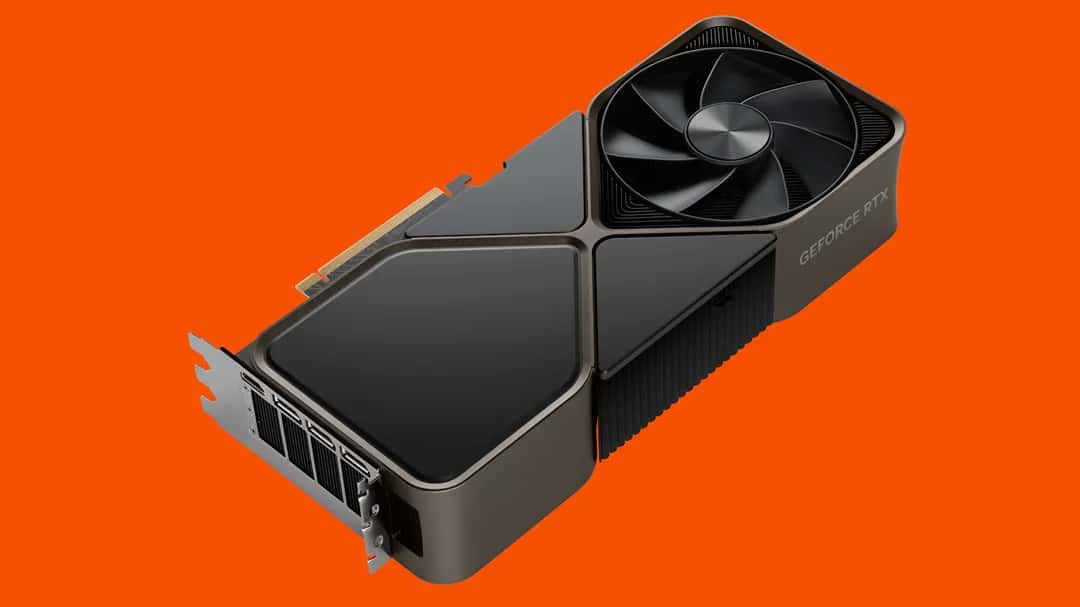
The RTX 5090 is trending across the United States, and not just among gamers or hardware enthusiasts. The sudden surge of interest says something deeper about modern technology culture and the pressure to keep up.
At first glance, the RTX 5090 looks like another milestone in graphics performance. Faster rendering, stronger AI workloads, and bigger numbers dominate early conversations. But beneath that excitement sits a quieter question.
Is the RTX 5090 actually needed, or is it reinforcing a system where upgrades feel mandatory rather than optional?
This is not a story about specifications or benchmarks. It is about behavior, expectations, and the growing sense that staying current in tech now requires constant spending and attention.
The RTX 5090 has become a symbol of that shift.
What makes the RTX 5090 different from previous upgrades
The RTX 5090 represents more than a routine generational update. Each new flagship graphics card resets what is considered acceptable performance across gaming, creative work, and artificial intelligence.
With the RTX 5090, that reset feels sharper. Software developers design around the newest hardware, assuming access to advanced features that older systems struggle to support comfortably.
This pattern is not new, but the pace has changed. The RTX 5090 arrives in an era where AI tools, real-time rendering, and machine-assisted workflows are becoming standard rather than experimental.
As expectations rise, older hardware does not suddenly stop working. Instead, it starts feeling insufficient, even when it still performs well for most tasks as purchase behaviors change.
That emotional shift is what makes the RTX 5090 different.
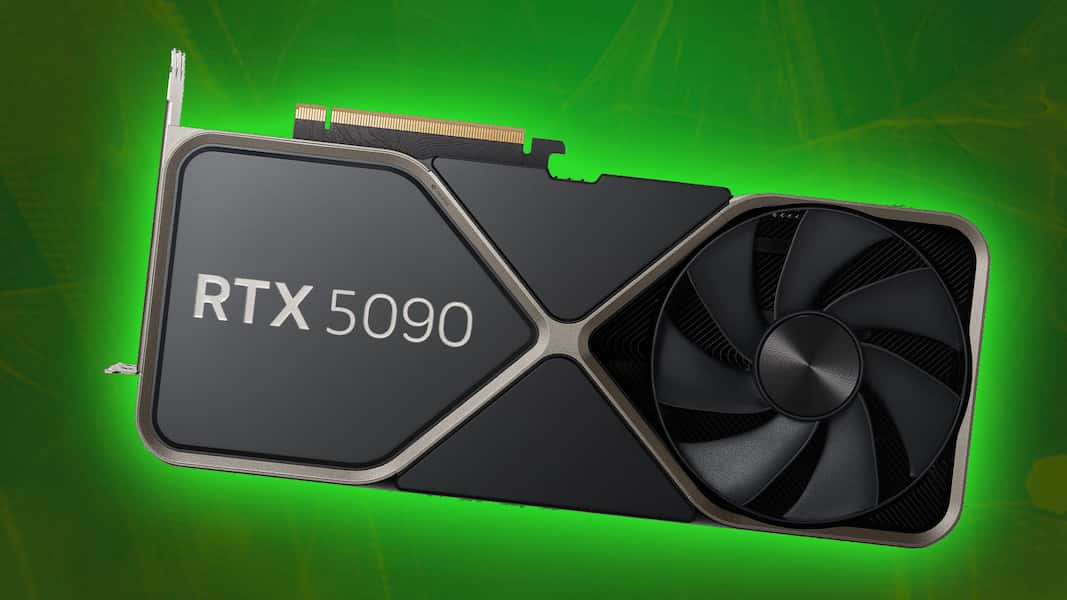
Why the GPU upgrade cycle feels shorter than ever
The GPU upgrade cycle has quietly accelerated over the past decade. New releases arrive faster, and the gap between what is current and what is considered outdated keeps shrinking.
Marketing plays a role, but so does software design. Games, creative applications, and AI platforms increasingly assume access to high-end computing power.
Optimization has become less of a priority when developers know more powerful hardware is already on the way.
This creates a loop. Hardware enables more demanding software, and that software pushes users toward the next upgrade.
According to long-term release data documented by industry analysts, flagship GPUs now refresh at a pace that would have felt excessive ten years ago. You can explore historical timelines through resources like https://www.techpowerup.com and similar archives.
The result is a feeling that skipping a generation is risky rather than reasonable.
Who benefits from constant upgrades
Not everyone loses in a system built around frequent upgrades. Hardware manufacturers benefit from predictable demand and recurring attention cycles.
Large studios and enterprise users gain access to performance that enables complex simulations, advanced AI training, and faster production timelines.
Professional creators who rely on cutting-edge tools can justify frequent upgrades as business expenses. For them, the RTX 5090 may unlock real efficiency gains.
There is also genuine innovation at play. New GPUs push the boundaries of what is possible, enabling breakthroughs in fields like medical imaging, scientific research, and real-time collaboration.
These benefits are real, and they matter.
But they do not apply equally to everyone.
Who gets left behind by rising hardware demands
As high-end computing costs climb, a growing group of users finds themselves priced out of relevance.
Students, independent creators, and early-career professionals often rely on older hardware for longer periods. When software expectations rise too quickly, their tools begin to feel obsolete before their value is fully realized.
Gamers who once upgraded every few years now face price points that make staying current unrealistic. This shifts gaming culture away from accessibility and toward exclusivity.
Geography and income also play a role. In many regions, importing high-end hardware like the RTX 5090 adds layers of cost that make participation even harder.
Instead of leveling the playing field, technology risks widening the gap between those who can afford constant upgrades and those who cannot.
Are upgrades becoming mandatory or just perceived that way
This is the core tension surrounding the RTX 5090. Are users truly forced to upgrade, or are they responding to perceived pressure?
In most cases, existing hardware still handles everyday tasks, gaming, and creative work adequately. The sense of urgency often comes from messaging rather than necessity.
Benchmarks highlight extreme scenarios. Marketing emphasizes maximum potential. Social media reinforces comparison and fear of falling behind.
Together, these forces create an environment where choosing not to upgrade feels like a compromise, even when it is not.
Research on consumer technology behavior shows that perceived obsolescence often precedes actual functional limits. Studies summarized by organizations like https://www.pewresearch.org have explored how technology adoption is shaped by social signals as much as by need.
The RTX 5090 amplifies this effect because it sits at the top of the performance pyramid.
The hidden cost of the RTX 5090 beyond the price tag
The cost of the RTX 5090 is not limited to the purchase price. High-end GPUs demand more power, better cooling, and compatible supporting components.
Users may need upgraded power supplies, improved airflow, or even new displays to fully benefit from their investment.
Energy consumption is another overlooked factor. More powerful hardware draws more electricity, affecting monthly bills and long-term environmental impact.
According to international energy data from organizations like https://www.iea.org, computing and data workloads already account for a growing share of global electricity use.
When individual devices follow the same trajectory, the cumulative effect becomes significant.
These hidden costs make constant upgrading a lifestyle decision, not just a technical one.
What the RTX 5090 trend reveals about the future of consumer tech
The popularity of the RTX 5090 points toward a future where ownership feels less stable and more conditional.
Instead of buying hardware and using it for many years, users are encouraged to think in shorter cycles. Stay current or fall behind.
This mirrors trends in software subscriptions, where access replaces permanence and updates arrive continuously.
If this model continues, consumer hardware may follow the same path psychologically, even if not financially.
The danger is not innovation itself. The danger is normalizing a sense of inadequacy that drives unnecessary consumption.
The RTX 5090 is not the cause of this shift, but it is a clear signal of where things are heading.
Rethinking need in an era of constant upgrades
The RTX 5090 does not force anyone to upgrade outright. But it exists within a system that rewards constant movement and penalizes patience.
Understanding that distinction matters.
Technology should expand what people can do, not dictate when they must spend. Recognizing the difference between genuine need and manufactured urgency is becoming a core digital skill.
As hardware continues to advance, the most valuable upgrade may not be the next GPU, but a more intentional relationship with technology itself.
The RTX 5090 invites admiration, curiosity, and debate. What it should not demand is unquestioned compliance.
In a world of constant upgrades, choosing when not to upgrade can be a form of clarity.