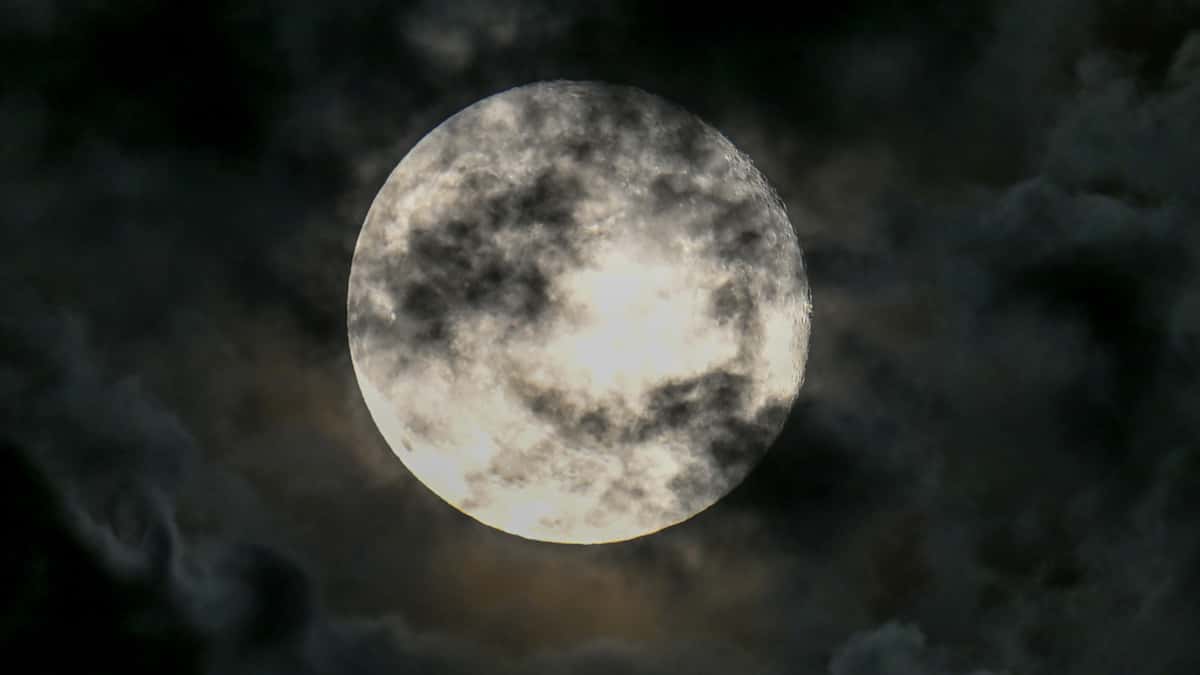
The full moon tonight brings a brightness that makes the night feel slower.
- A full moon has always existed.
- Its timing is predictable.
- Its appearance is familiar.
Yet attention returns every time. This repetition reveals something important. Organizations like NASA and Time and Date explain full moon mechanics clearly.
When people search for “full moon” tonight, they are not only asking about the sky. They are responding to a deeper pattern of collective awareness.
Natural cycles still interrupt modern life. Even briefly. Even quietly.
Why Full Moon Tonight Feels Different From Other Nights
A full moon changes how night feels.
- Darkness softens.
- Shadows stretch.
- Landscapes appear more defined.
Unlike abstract digital signals, the full moon tonight is physical. It does not require a screen. It cannot be scrolled past.
As a result, it slows perception.
People look up.
They pause longer than expected.
They notice time differently.
This visual interruption explains why lunar events continue to surface in social conversation despite technological saturation.
Full Moon Tonight and Seasonal Meaning
The full moon tonight occurs early in the year.
That timing matters.
January represents transition.
Reflection lingers.
Momentum has not fully returned.
In this context, the moon becomes symbolic without effort.
It appears complete, while many people still feel unfinished.
Because of this contrast, attention sharpens.
The moment feels like a marker rather than an event.
Why Full Moon Tonight Feels Emotionally Charged
Many people describe heightened emotion during a full moon.
Science does not strongly support dramatic behavioral shifts. However, perception shapes experience.
When a moment is framed as meaningful, the mind responds accordingly.
The full moon tonight arrives already weighted with expectation.
As a result, emotions that already exist become easier to notice.
Not because the moon causes them. But because awareness increases.
Cultural Memory and Lunar Attachment
Across civilizations, lunar cycles shaped calendars, agriculture, and ritual.
The full moon marked:
- Completion
- Harvest
- Transition
- Rest
These associations were passed down long before modern explanations existed.
Even now, cultural memory lingers beneath rational understanding.
The body remembers cycles the mind no longer tracks deliberately.
This is why the full moon tonight still feels familiar, even without conscious belief.
The Wolf Moon and Symbolic Language
The January full moon is often called the Wolf Moon.
The name originated from seasonal observation rather than mythology.
- Winter was quieter.
- Nights were longer.
- Animal sounds carried further.
Over time, these observations became symbolic language.
Today, the symbolism persists even when survival no longer depends on it.
Words shape attention. Naming creates meaning.
The Wolf Moon does not change behavior, but it frames perception.
Full Moon Tonight and Modern Wellness Narratives
Wellness culture has adopted lunar events as intentional pauses.
Not because of proven effects. But because structure is scarce.
The full moon tonight offers:
- A reason to reflect
- A cue to slow down
- A shared moment of stillness
In fast systems, external signals become anchors.
The moon provides one without instruction.
Sleep Disruption and Light Exposure
Some people report difficulty sleeping during a full moon.
This is one area where physical explanation exists.
- A bright moon increases ambient light.
- Light influences circadian rhythm.
- Sleep becomes lighter or delayed.
This effect is subtle but real. Especially in environments without heavy artificial lighting.
The full moon tonight does not disrupt sleep universally, but it can shift rest patterns enough to be noticed.
Why Social Media Amplifies Full Moon Tonight
Visual simplicity performs well online.
A bright moon requires no explanation. It photographs easily. It evokes mood instantly.
Because of this, lunar images spread quickly. Each post reinforces awareness. Each caption adds interpretation.
The event grows through repetition rather than novelty. Attention feeds itself.
Collective Experience Without Coordination
One reason the full moon tonight trends is shared simultaneity.
Millions observe the same object at the same time. No invitation required. No algorithm needed.
This creates a rare collective experience without organization.
People participate simply by noticing. That simplicity feels grounding in fragmented digital spaces.
Scientific Context Without Sensationalism
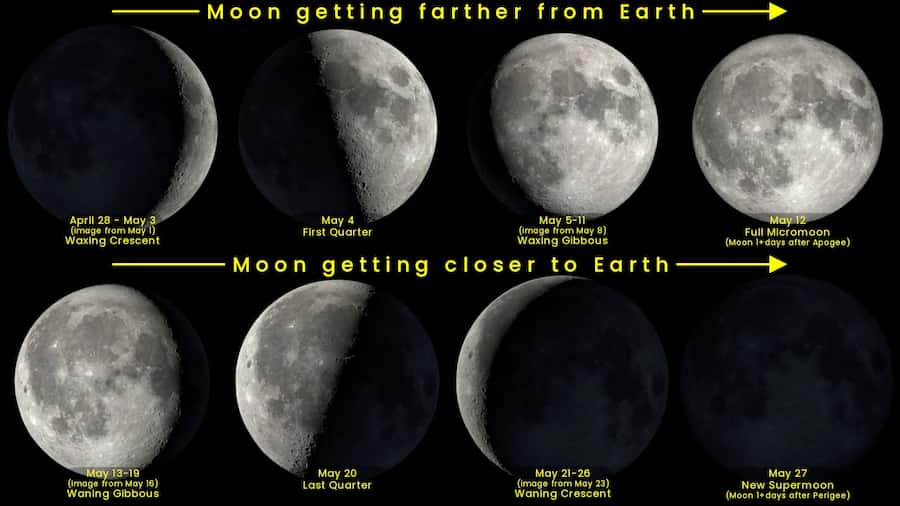
A full moon occurs when the Moon sits opposite the Sun relative to Earth. No mystery. No influence claims. No emotional framing.
Yet science alone does not remove meaning. Understanding structure does not eliminate symbolism. Both coexist.
Attention, Pattern Recognition, and Meaning
Humans are pattern-oriented. Cycles provide reassurance. Repetition creates familiarity. Predictability reduces uncertainty.
The full moon tonight fits perfectly into this psychological framework. It arrives. It completes. It fades.
The cycle repeats. This rhythm contrasts sharply with constant digital stimulation. Because of that contrast, it stands out.
Why Full Moon Tonight Remains Relevant
The trend itself is the message. People still look up. People still search together. People still pause for non-commercial moments.
The full moon tonight trends not because it changes life. But because it reminds people that time still moves independently of platforms.
Final Reflection
The full moon tonight does not alter destiny. It does not control behavior. It does not demand belief.
What it does offer is interruption. A brief alignment of attention. A reminder of cycles larger than schedules.
In a world optimized for speed, stillness becomes noticeable. That is why people search. That is why it trends.
Not because the moon changes us. But because it invites us to notice where we already are.